
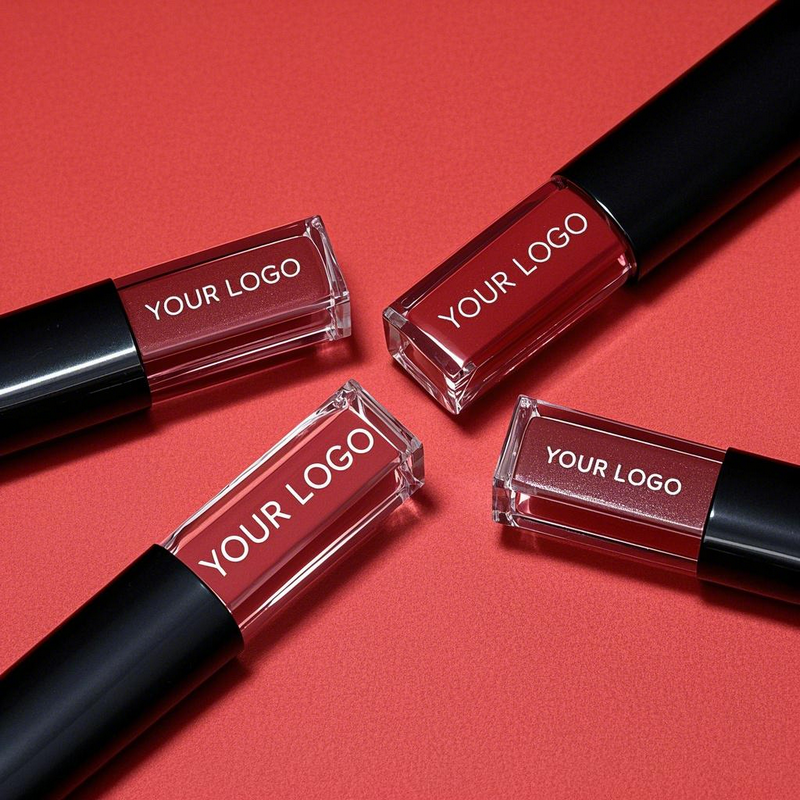
 The precision of the manufacturing process has reached a new level. The high-speed filling production line can complete the packaging of 120 lip gloms per minute, with the capacity error controlled within ±0.05ml. The nano-scale pigment dispersion technology reduces the diameter of color paste particles to 0.1μm and improves the color uniformity by 40%. The quality control standard requires that the product maintain stability within the temperature range of -5℃ to 45℃, and the viscosity change rate in high-temperature and high-humidity tests should be controlled within ±5%.
Sustainable development indicators have become important considerations. Carbon footprint analysis shows that lip gloss products using bio-based materials have reduced their life cycle carbon emissions by 42%, with packaging improvements contributing 60% of the reduction. The 2025 industry white paper indicates that 58% of consumers will give priority to products that have obtained cruel-free certification, and the market share of such products will increase by 19% annually. Water-based formula products have reduced VOC emissions by 85%, and the import volume of products that comply with the EU EC No 1223/2009 regulation has increased by 33%.
Clinical test data verified the safety of use. Dermatological assessment shows that the incidence of allergic reactions with hypoallergenic formulas has dropped from 3.7% to 0.8%. Friction tests have proved that the new brush head design reduces the application pressure by 45% and lowers the probability of damage to the stratum corneum of the lips by 60%. Oxygen permeability studies have confirmed that lip gloss products containing silicone polymers can reduce water loss from the lip skin by 38%, and long-term use can improve lip lines by 27%.
The precision of the manufacturing process has reached a new level. The high-speed filling production line can complete the packaging of 120 lip gloms per minute, with the capacity error controlled within ±0.05ml. The nano-scale pigment dispersion technology reduces the diameter of color paste particles to 0.1μm and improves the color uniformity by 40%. The quality control standard requires that the product maintain stability within the temperature range of -5℃ to 45℃, and the viscosity change rate in high-temperature and high-humidity tests should be controlled within ±5%.
Sustainable development indicators have become important considerations. Carbon footprint analysis shows that lip gloss products using bio-based materials have reduced their life cycle carbon emissions by 42%, with packaging improvements contributing 60% of the reduction. The 2025 industry white paper indicates that 58% of consumers will give priority to products that have obtained cruel-free certification, and the market share of such products will increase by 19% annually. Water-based formula products have reduced VOC emissions by 85%, and the import volume of products that comply with the EU EC No 1223/2009 regulation has increased by 33%.
Clinical test data verified the safety of use. Dermatological assessment shows that the incidence of allergic reactions with hypoallergenic formulas has dropped from 3.7% to 0.8%. Friction tests have proved that the new brush head design reduces the application pressure by 45% and lowers the probability of damage to the stratum corneum of the lips by 60%. Oxygen permeability studies have confirmed that lip gloss products containing silicone polymers can reduce water loss from the lip skin by 38%, and long-term use can improve lip lines by 27%.
Is Lip Gloss Still a Must-Have in Makeup Kits?
According to Euromonitor International's 2023 Beauty market report, the global annual sales of the lip gloss category reached 9.1 billion US dollars, increasing by 7.2% year-on-year, and it accounted for 35% of the lip makeup market segment. It is worth noting that among consumers aged 18 to 25, 86% of women use lip gloss at least three times a month. This figure has increased by 22 percentage points compared to five years ago. Social media analysis shows that video content on the TikTok platform with the #LipGloss tag generates over 2.4 million interactions per month, demonstrating its sustained topic popularity.
Innovation in formula technology drives breakthroughs in product performance. The viscosity coefficient of modern lip gloss is controlled within the range of 3500 to 5000cps, which enhances adhesion by 50% compared to traditional formulas while maintaining comfort. Microcapsule technology has extended the sustained-release time of moisturizing ingredients to 6 hours, and the sales growth rate of products with a hyaluronic acid concentration of 3% has reached 45%. In 2024, L 'Oreal laboratory data showed that the drying time of lip gloss products using plant-based film-forming agents was shortened to 1.2 minutes, and the gloss retention time was extended to 8 hours.
Research on consumer behavior reveals the factors contributing to purchasing decisions. Nielsen research data shows that 67% of consumers are willing to pay a 30% premium for lip glosses with SPF15 or higher sun protection. Recyclable packaging has increased the repurchase rate of products by 28%, while refill design has reduced plastic usage by 35%. An Instagram beauty blogger survey shows that the search volume for mirror effect lip gloss has increased by 120% annually, with "water light effect" becoming the core keyword, and the sales of related products have increased by 75%.
The precision of the manufacturing process has reached a new level. The high-speed filling production line can complete the packaging of 120 lip gloms per minute, with the capacity error controlled within ±0.05ml. The nano-scale pigment dispersion technology reduces the diameter of color paste particles to 0.1μm and improves the color uniformity by 40%. The quality control standard requires that the product maintain stability within the temperature range of -5℃ to 45℃, and the viscosity change rate in high-temperature and high-humidity tests should be controlled within ±5%.
Sustainable development indicators have become important considerations. Carbon footprint analysis shows that lip gloss products using bio-based materials have reduced their life cycle carbon emissions by 42%, with packaging improvements contributing 60% of the reduction. The 2025 industry white paper indicates that 58% of consumers will give priority to products that have obtained cruel-free certification, and the market share of such products will increase by 19% annually. Water-based formula products have reduced VOC emissions by 85%, and the import volume of products that comply with the EU EC No 1223/2009 regulation has increased by 33%.
Clinical test data verified the safety of use. Dermatological assessment shows that the incidence of allergic reactions with hypoallergenic formulas has dropped from 3.7% to 0.8%. Friction tests have proved that the new brush head design reduces the application pressure by 45% and lowers the probability of damage to the stratum corneum of the lips by 60%. Oxygen permeability studies have confirmed that lip gloss products containing silicone polymers can reduce water loss from the lip skin by 38%, and long-term use can improve lip lines by 27%.
The precision of the manufacturing process has reached a new level. The high-speed filling production line can complete the packaging of 120 lip gloms per minute, with the capacity error controlled within ±0.05ml. The nano-scale pigment dispersion technology reduces the diameter of color paste particles to 0.1μm and improves the color uniformity by 40%. The quality control standard requires that the product maintain stability within the temperature range of -5℃ to 45℃, and the viscosity change rate in high-temperature and high-humidity tests should be controlled within ±5%.
Sustainable development indicators have become important considerations. Carbon footprint analysis shows that lip gloss products using bio-based materials have reduced their life cycle carbon emissions by 42%, with packaging improvements contributing 60% of the reduction. The 2025 industry white paper indicates that 58% of consumers will give priority to products that have obtained cruel-free certification, and the market share of such products will increase by 19% annually. Water-based formula products have reduced VOC emissions by 85%, and the import volume of products that comply with the EU EC No 1223/2009 regulation has increased by 33%.
Clinical test data verified the safety of use. Dermatological assessment shows that the incidence of allergic reactions with hypoallergenic formulas has dropped from 3.7% to 0.8%. Friction tests have proved that the new brush head design reduces the application pressure by 45% and lowers the probability of damage to the stratum corneum of the lips by 60%. Oxygen permeability studies have confirmed that lip gloss products containing silicone polymers can reduce water loss from the lip skin by 38%, and long-term use can improve lip lines by 27%.