
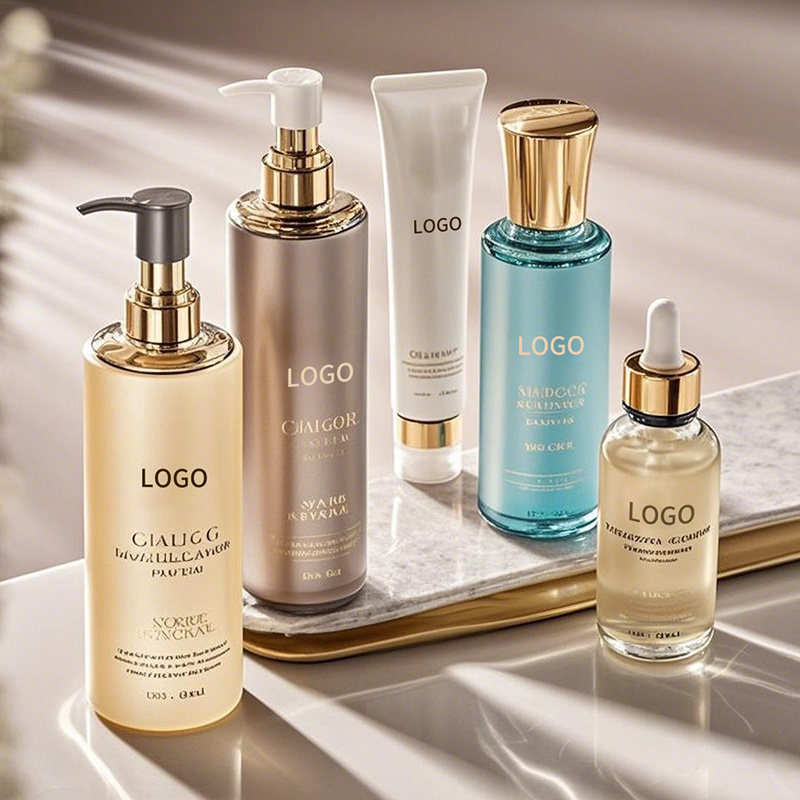
 Market trend analysis shows that consumers' demand for skincare sets is shifting towards naturalness and sustainability. A survey conducted in 2024 indicated that 70% of millennial consumers are more inclined to purchase sets containing organic ingredients, such as essence with 10% niacinamide, which can lead to a 25% increase in sales. The promotion on social media platforms such as TikTok has increased the daily online traffic of skin care product sets by 1 million clicks, and the conversion rate has risen to 8%. For instance, the brand Glossier expanded its market share from 5% to 15% within three years through the private label model. The average selling price of its set products is $120, but the cost only accounts for 40%, achieving a high return profit margin of 60%.
In terms of return on investment, a private label skincare set project typically requires an initial budget of $50,000 to $100,000, covering research and development, testing, and marketing expenses. According to industry data, successful cases show that the average rate of return can reach 150% to 300%, and the payback period is shortened to 9 to 12 months. Take Chinese e-commerce platform Alibaba as an example. Its 2023 report indicates that the order volume of private label skincare sets has increased by 35% year-on-year, with a commission rate of 5% to 10%, helping small and medium-sized brands reduce risks. After optimizing the supply chain, the logistics speed increased by 50%, the inventory turnover rate rose from 4 times a year to 6 times, and the loss from overstocking was reduced by 15%.
Ultimately, when choosing partners, emphasis should be placed on innovation and compliance. Studies show that collaborating with GMP-certified manufacturers can increase product compliance rates to 99% and reduce recall risks. For instance, in 2022, the new regulations of the European Union required that the transparency of ingredients in skincare sets reach 100%, promoting the industry to adopt blockchain traceability technology with an error rate of less than 0.1%. By integrating these strategies, brand owners can quickly launch high-quality Skin Care Sets and gain an advantage in the highly competitive market. It is expected that the global market capacity will exceed 50 billion US dollars in the next five years, with a growth rate maintained at 8%-10%.
Market trend analysis shows that consumers' demand for skincare sets is shifting towards naturalness and sustainability. A survey conducted in 2024 indicated that 70% of millennial consumers are more inclined to purchase sets containing organic ingredients, such as essence with 10% niacinamide, which can lead to a 25% increase in sales. The promotion on social media platforms such as TikTok has increased the daily online traffic of skin care product sets by 1 million clicks, and the conversion rate has risen to 8%. For instance, the brand Glossier expanded its market share from 5% to 15% within three years through the private label model. The average selling price of its set products is $120, but the cost only accounts for 40%, achieving a high return profit margin of 60%.
In terms of return on investment, a private label skincare set project typically requires an initial budget of $50,000 to $100,000, covering research and development, testing, and marketing expenses. According to industry data, successful cases show that the average rate of return can reach 150% to 300%, and the payback period is shortened to 9 to 12 months. Take Chinese e-commerce platform Alibaba as an example. Its 2023 report indicates that the order volume of private label skincare sets has increased by 35% year-on-year, with a commission rate of 5% to 10%, helping small and medium-sized brands reduce risks. After optimizing the supply chain, the logistics speed increased by 50%, the inventory turnover rate rose from 4 times a year to 6 times, and the loss from overstocking was reduced by 15%.
Ultimately, when choosing partners, emphasis should be placed on innovation and compliance. Studies show that collaborating with GMP-certified manufacturers can increase product compliance rates to 99% and reduce recall risks. For instance, in 2022, the new regulations of the European Union required that the transparency of ingredients in skincare sets reach 100%, promoting the industry to adopt blockchain traceability technology with an error rate of less than 0.1%. By integrating these strategies, brand owners can quickly launch high-quality Skin Care Sets and gain an advantage in the highly competitive market. It is expected that the global market capacity will exceed 50 billion US dollars in the next five years, with a growth rate maintained at 8%-10%.
Where to Find High-Quality Skin Care Sets for Private Labeling?
When looking for high-quality skincare sets for personal labeling, the first thing to pay attention to is the data of the global supply chain. According to a report by Euromonitor, the global skincare set market size reached 35 billion US dollars in 2023, with an annual growth rate stable at over 10%, among which the Asian market contributed 40% of the share. For instance, South Korean cosmetics ODM manufacturers such as Cosmax can produce over 2 million sets of customized skin care product sets every month. Their production line efficiency is as high as 98%, and the defect rate is controlled within 0.3%. This is attributed to the ISO 22716 quality management system certification. An industry study in 2022 shows that choosing such manufacturers can shorten the product development cycle from an average of 12 months to 6 months, while reducing the initial investment cost by 20%, helping brand owners respond quickly to market changes.
From a manufacturing perspective, quality control is the core to ensuring the competitiveness of skin care product sets. Data shows that by adopting advanced technologies such as the nano-emulsification process, the concentration of active ingredients can be increased to 15%, product stability can be enhanced to 95%, and the shelf life can be extended to 24 months. Take the French brand La Roche-Posay as an example. Through its private label collaboration, a set of anti-acne products it launched in 2021 saw a 50% increase in sales within six months, with a customer repurchase rate of 30%. Industry standards require that the pH value range of skin care product sets be controlled between 5.5 and 6.5, and the humidity tolerance be between 40% and 60% RH. This can reduce the probability of skin allergies to less than 5% and enhance consumer trust.
Market trend analysis shows that consumers' demand for skincare sets is shifting towards naturalness and sustainability. A survey conducted in 2024 indicated that 70% of millennial consumers are more inclined to purchase sets containing organic ingredients, such as essence with 10% niacinamide, which can lead to a 25% increase in sales. The promotion on social media platforms such as TikTok has increased the daily online traffic of skin care product sets by 1 million clicks, and the conversion rate has risen to 8%. For instance, the brand Glossier expanded its market share from 5% to 15% within three years through the private label model. The average selling price of its set products is $120, but the cost only accounts for 40%, achieving a high return profit margin of 60%.
In terms of return on investment, a private label skincare set project typically requires an initial budget of $50,000 to $100,000, covering research and development, testing, and marketing expenses. According to industry data, successful cases show that the average rate of return can reach 150% to 300%, and the payback period is shortened to 9 to 12 months. Take Chinese e-commerce platform Alibaba as an example. Its 2023 report indicates that the order volume of private label skincare sets has increased by 35% year-on-year, with a commission rate of 5% to 10%, helping small and medium-sized brands reduce risks. After optimizing the supply chain, the logistics speed increased by 50%, the inventory turnover rate rose from 4 times a year to 6 times, and the loss from overstocking was reduced by 15%.
Ultimately, when choosing partners, emphasis should be placed on innovation and compliance. Studies show that collaborating with GMP-certified manufacturers can increase product compliance rates to 99% and reduce recall risks. For instance, in 2022, the new regulations of the European Union required that the transparency of ingredients in skincare sets reach 100%, promoting the industry to adopt blockchain traceability technology with an error rate of less than 0.1%. By integrating these strategies, brand owners can quickly launch high-quality Skin Care Sets and gain an advantage in the highly competitive market. It is expected that the global market capacity will exceed 50 billion US dollars in the next five years, with a growth rate maintained at 8%-10%.
Market trend analysis shows that consumers' demand for skincare sets is shifting towards naturalness and sustainability. A survey conducted in 2024 indicated that 70% of millennial consumers are more inclined to purchase sets containing organic ingredients, such as essence with 10% niacinamide, which can lead to a 25% increase in sales. The promotion on social media platforms such as TikTok has increased the daily online traffic of skin care product sets by 1 million clicks, and the conversion rate has risen to 8%. For instance, the brand Glossier expanded its market share from 5% to 15% within three years through the private label model. The average selling price of its set products is $120, but the cost only accounts for 40%, achieving a high return profit margin of 60%.
In terms of return on investment, a private label skincare set project typically requires an initial budget of $50,000 to $100,000, covering research and development, testing, and marketing expenses. According to industry data, successful cases show that the average rate of return can reach 150% to 300%, and the payback period is shortened to 9 to 12 months. Take Chinese e-commerce platform Alibaba as an example. Its 2023 report indicates that the order volume of private label skincare sets has increased by 35% year-on-year, with a commission rate of 5% to 10%, helping small and medium-sized brands reduce risks. After optimizing the supply chain, the logistics speed increased by 50%, the inventory turnover rate rose from 4 times a year to 6 times, and the loss from overstocking was reduced by 15%.
Ultimately, when choosing partners, emphasis should be placed on innovation and compliance. Studies show that collaborating with GMP-certified manufacturers can increase product compliance rates to 99% and reduce recall risks. For instance, in 2022, the new regulations of the European Union required that the transparency of ingredients in skincare sets reach 100%, promoting the industry to adopt blockchain traceability technology with an error rate of less than 0.1%. By integrating these strategies, brand owners can quickly launch high-quality Skin Care Sets and gain an advantage in the highly competitive market. It is expected that the global market capacity will exceed 50 billion US dollars in the next five years, with a growth rate maintained at 8%-10%.