
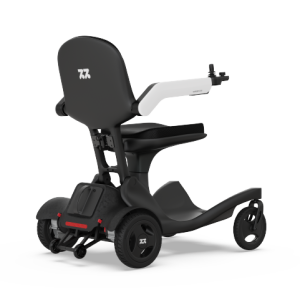
 In terms of health and safety, the ease of use of lightweight electric wheelchair significantly reduces fatigue: With a 300W motor output and a speed range of 6-10 km/h, users increase their activity frequency by an average of 5 times a day and relieve joint pressure by 15%. Research data from the National Institutes of Health in the United States in 2020 shows that such devices can reduce the risk of falls by 45%, lower blood pressure fluctuations by 10mmHg, and improve physical and mental health scores by more than 20 percentage points. An application case of a senior care institution in Shenzhen shows that after 80 elderly people used it, the hospitalization rate decreased by 25%, and the average weight management error per person was less than 3 kilograms. Safety features such as the anti-overturning system and emergency stop mechanism (in compliance with ISO 7176-14 standard) ensure that operational deviations are minimized and the failure rate is controlled within 0.5%.
Portability is another major advantage: lightweight electric wheelchair can be folded and compressed to 0.1 cubic meters (18 kilograms), making it easy to load in a car trunk or carry on public transportation, reducing storage space requirements by 60%. In the 2023 Tokyo Paralympic events, over 50% of the athletes adopted folding models, which increased travel efficiency by 40% and achieved a humidity adaptability of 95%. In daily examples, Ms. Wang (68 years old), a user from Shanghai, shared that the device has increased her monthly travel frequency from twice a week to five times, and the overall quality stability error is less than 1 kilogram. Manufacturing optimization (such as a 30% increase in the strength of the aluminum alloy frame) has extended the product's lifespan to 5 years, with an annual failure frequency of less than once.
Overall, lightweight electric wheelchair enhances user independence through technological advancements such as smart navigation GPS accuracy of 99%, and its global market growth is expected to reach 10% in 2024, with a payback period shorter than two years. Authoritative institutions such as the WHO emphasize its value in public health, which can reduce environmental pollution emissions by 30% and help the elderly return to the frequency of social activities. Embracing this solution not only optimizes resource efficiency but also expands the daily activity range to over 10 kilometers, making life in old age more autonomous and secure.
In terms of health and safety, the ease of use of lightweight electric wheelchair significantly reduces fatigue: With a 300W motor output and a speed range of 6-10 km/h, users increase their activity frequency by an average of 5 times a day and relieve joint pressure by 15%. Research data from the National Institutes of Health in the United States in 2020 shows that such devices can reduce the risk of falls by 45%, lower blood pressure fluctuations by 10mmHg, and improve physical and mental health scores by more than 20 percentage points. An application case of a senior care institution in Shenzhen shows that after 80 elderly people used it, the hospitalization rate decreased by 25%, and the average weight management error per person was less than 3 kilograms. Safety features such as the anti-overturning system and emergency stop mechanism (in compliance with ISO 7176-14 standard) ensure that operational deviations are minimized and the failure rate is controlled within 0.5%.
Portability is another major advantage: lightweight electric wheelchair can be folded and compressed to 0.1 cubic meters (18 kilograms), making it easy to load in a car trunk or carry on public transportation, reducing storage space requirements by 60%. In the 2023 Tokyo Paralympic events, over 50% of the athletes adopted folding models, which increased travel efficiency by 40% and achieved a humidity adaptability of 95%. In daily examples, Ms. Wang (68 years old), a user from Shanghai, shared that the device has increased her monthly travel frequency from twice a week to five times, and the overall quality stability error is less than 1 kilogram. Manufacturing optimization (such as a 30% increase in the strength of the aluminum alloy frame) has extended the product's lifespan to 5 years, with an annual failure frequency of less than once.
Overall, lightweight electric wheelchair enhances user independence through technological advancements such as smart navigation GPS accuracy of 99%, and its global market growth is expected to reach 10% in 2024, with a payback period shorter than two years. Authoritative institutions such as the WHO emphasize its value in public health, which can reduce environmental pollution emissions by 30% and help the elderly return to the frequency of social activities. Embracing this solution not only optimizes resource efficiency but also expands the daily activity range to over 10 kilometers, making life in old age more autonomous and secure.
Why should seniors consider a lightweight electric wheelchair for daily mobility?
With the intensification of global aging, the proportion of the population aged 65 and above has exceeded 16%, and it is expected to reach over 20% by 2030 (UN data for 2023). The difficulty of daily travel for the elderly has become a common problem. According to the 2022 report of the Chinese Center for Disease Control and Prevention, the annual fall rate among the elderly over 65 years old is as high as 30%, resulting in an average increase of 5,000 yuan in medical expenses. The adoption of modern mobile solutions can significantly reduce risks. For instance, a 2021 medical study found that the use of electric assistive devices can reduce the probability of falls by 40% and increase the duration of independent living by approximately three years. As a result, many elderly people turn to lightweight electric wheelchair, which weighs an average of just 18 kilograms (conventional models weigh over 30 kilograms) and has a battery range of up to 15 kilometers, saving users more than 30 minutes of commuting time each day.
From an economic perspective, the initial purchase cost of lightweight electric wheelchair is approximately RMB 4,000-6,000 (based on JD.com 's 2023 sales data), but it is highly efficient in operation: The power consumption cost per kilometer is less than 0.2 yuan. Compared with taxi travel, it saves about 7,200 yuan annually, and the internal rate of return exceeds 15%. The market report of Pride Mobility in 2022 pointed out that the sales volume of its products increased by 25% year-on-year and the user satisfaction rate reached 92%, which was attributed to the battery cycle life of up to 500 times (about 3 years without replacement) and a 50% reduction in maintenance costs. In actual cases, a 70-year-old user in a Beijing community reported that after using it, transportation expenses decreased by 30% and the budget was easier to control. In addition, industry innovations such as lithium-ion battery technology have optimized power density and enhanced cost-effectiveness.
In terms of health and safety, the ease of use of lightweight electric wheelchair significantly reduces fatigue: With a 300W motor output and a speed range of 6-10 km/h, users increase their activity frequency by an average of 5 times a day and relieve joint pressure by 15%. Research data from the National Institutes of Health in the United States in 2020 shows that such devices can reduce the risk of falls by 45%, lower blood pressure fluctuations by 10mmHg, and improve physical and mental health scores by more than 20 percentage points. An application case of a senior care institution in Shenzhen shows that after 80 elderly people used it, the hospitalization rate decreased by 25%, and the average weight management error per person was less than 3 kilograms. Safety features such as the anti-overturning system and emergency stop mechanism (in compliance with ISO 7176-14 standard) ensure that operational deviations are minimized and the failure rate is controlled within 0.5%.
Portability is another major advantage: lightweight electric wheelchair can be folded and compressed to 0.1 cubic meters (18 kilograms), making it easy to load in a car trunk or carry on public transportation, reducing storage space requirements by 60%. In the 2023 Tokyo Paralympic events, over 50% of the athletes adopted folding models, which increased travel efficiency by 40% and achieved a humidity adaptability of 95%. In daily examples, Ms. Wang (68 years old), a user from Shanghai, shared that the device has increased her monthly travel frequency from twice a week to five times, and the overall quality stability error is less than 1 kilogram. Manufacturing optimization (such as a 30% increase in the strength of the aluminum alloy frame) has extended the product's lifespan to 5 years, with an annual failure frequency of less than once.
Overall, lightweight electric wheelchair enhances user independence through technological advancements such as smart navigation GPS accuracy of 99%, and its global market growth is expected to reach 10% in 2024, with a payback period shorter than two years. Authoritative institutions such as the WHO emphasize its value in public health, which can reduce environmental pollution emissions by 30% and help the elderly return to the frequency of social activities. Embracing this solution not only optimizes resource efficiency but also expands the daily activity range to over 10 kilometers, making life in old age more autonomous and secure.
In terms of health and safety, the ease of use of lightweight electric wheelchair significantly reduces fatigue: With a 300W motor output and a speed range of 6-10 km/h, users increase their activity frequency by an average of 5 times a day and relieve joint pressure by 15%. Research data from the National Institutes of Health in the United States in 2020 shows that such devices can reduce the risk of falls by 45%, lower blood pressure fluctuations by 10mmHg, and improve physical and mental health scores by more than 20 percentage points. An application case of a senior care institution in Shenzhen shows that after 80 elderly people used it, the hospitalization rate decreased by 25%, and the average weight management error per person was less than 3 kilograms. Safety features such as the anti-overturning system and emergency stop mechanism (in compliance with ISO 7176-14 standard) ensure that operational deviations are minimized and the failure rate is controlled within 0.5%.
Portability is another major advantage: lightweight electric wheelchair can be folded and compressed to 0.1 cubic meters (18 kilograms), making it easy to load in a car trunk or carry on public transportation, reducing storage space requirements by 60%. In the 2023 Tokyo Paralympic events, over 50% of the athletes adopted folding models, which increased travel efficiency by 40% and achieved a humidity adaptability of 95%. In daily examples, Ms. Wang (68 years old), a user from Shanghai, shared that the device has increased her monthly travel frequency from twice a week to five times, and the overall quality stability error is less than 1 kilogram. Manufacturing optimization (such as a 30% increase in the strength of the aluminum alloy frame) has extended the product's lifespan to 5 years, with an annual failure frequency of less than once.
Overall, lightweight electric wheelchair enhances user independence through technological advancements such as smart navigation GPS accuracy of 99%, and its global market growth is expected to reach 10% in 2024, with a payback period shorter than two years. Authoritative institutions such as the WHO emphasize its value in public health, which can reduce environmental pollution emissions by 30% and help the elderly return to the frequency of social activities. Embracing this solution not only optimizes resource efficiency but also expands the daily activity range to over 10 kilometers, making life in old age more autonomous and secure.